About Watermen's Alliance
A California-based organization protecting and promoting the future of spearfishing through organized representation, community leadership, and principled public engagement across the state.
Origins
Origins of the Alliance
The Watermen's Alliance emerged out of necessity when the 1999 Marine Life Protective Act threatened the rights of spearfishers. California was divided into four regions, including Southern California, and among the 60 delegates, Terry Maas and Eric Kett were selected to represent the spearfishing community. The delegates were split into two primary groups: one consisted of fishermen who supported sustainable harvesting, while another group advocated for strict environmental protections.
Terry and Eric entered the process with high hopes for compromise, believing that collaboration could preserve both long-standing spearfishing traditions and marine ecosystems. As discussions progressed, frustration and disappointment grew among fishing representatives. The process soon revealed a bias toward creating a wide network of interconnected reserves, most of which were designated as no-take zones. Faced with these challenges, the Watermen's Alliance mobilized to advocate for fair representation and sustainable fishing practices, marking the beginning of its ongoing efforts.
View Our MissionOur Background
History of the Alliance
The MLPA Process
Over the next two years, delegates traveled throughout Southern California to attend meetings, and the process became exhausting. Scientific guidelines required that reserves be closely situated, unique, and supportive of diverse resident species. When the fishing group proposed areas that met all of these criteria, the suggestions were often rejected for various reasons, despite aligning with the stated guidelines. One recurring objection cited by regulators was an alleged lack of "persistent kelp" in the proposed areas. Delegates presented photographic evidence and scientific surveys documenting persistent kelp, yet these recommendations were still dismissed, highlighting that the approval process was not always guided by objective scientific standards.
Throughout this period, the group received multiple lectures from the Scientific Advisory Group, which provided valuable insights into marine management. Identified threats to marine resources included warming waters, pollution, and overfishing. Although restricting fishing can offer immediate protection to some resources, it soon became apparent that the MLPA committee intended to focus almost exclusively on fishing restrictions as the primary tool to address degraded environments. While overfishing is a significant concern, broader measures — such as habitat restoration and stricter pollution controls — can offer a more holistic response to marine degradation. By relying almost solely on fishing restrictions, the committee risked overlooking other critical factors that jeopardize marine ecosystems.
Advocacy, Science & Selective Harvest
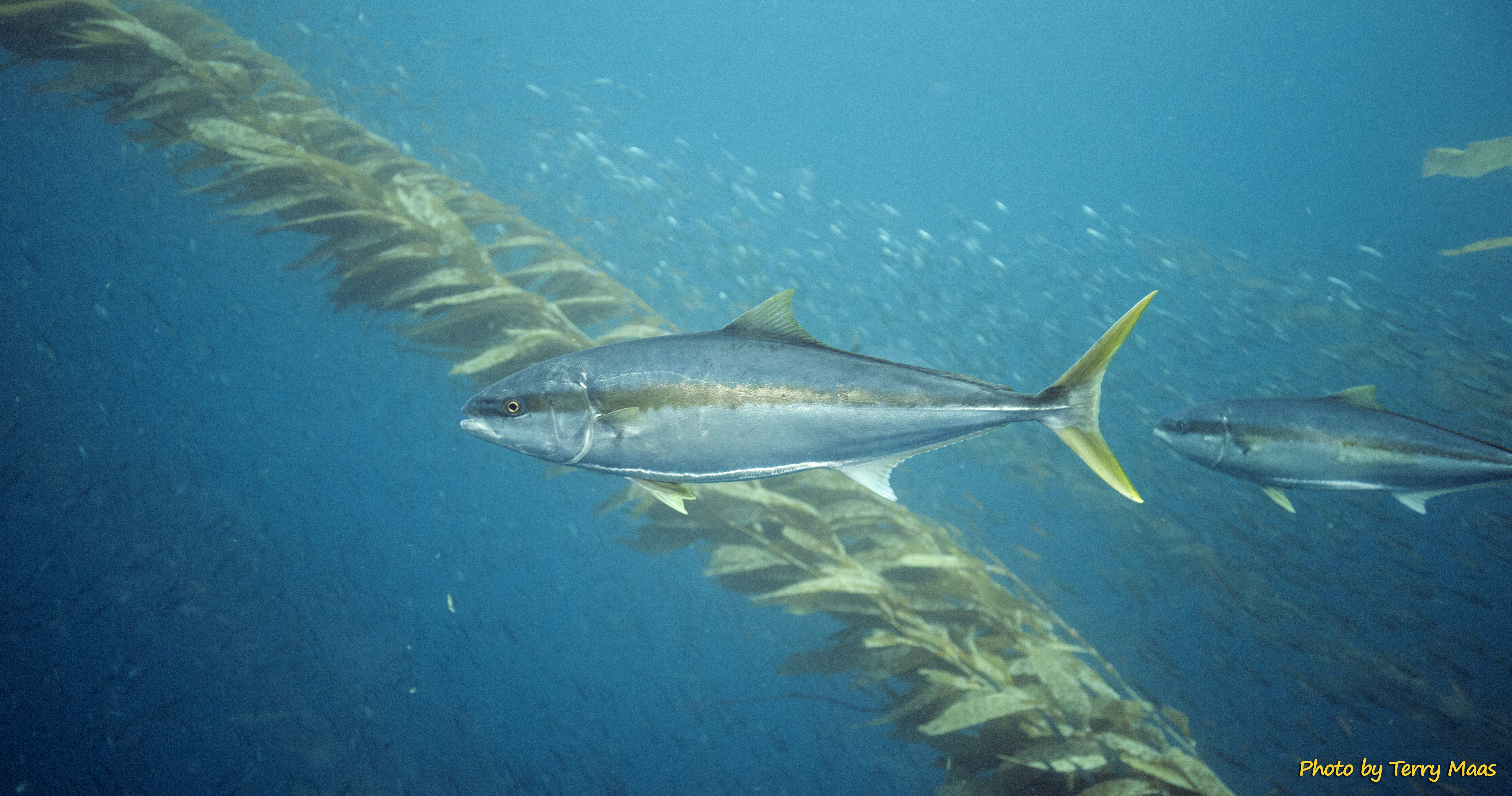
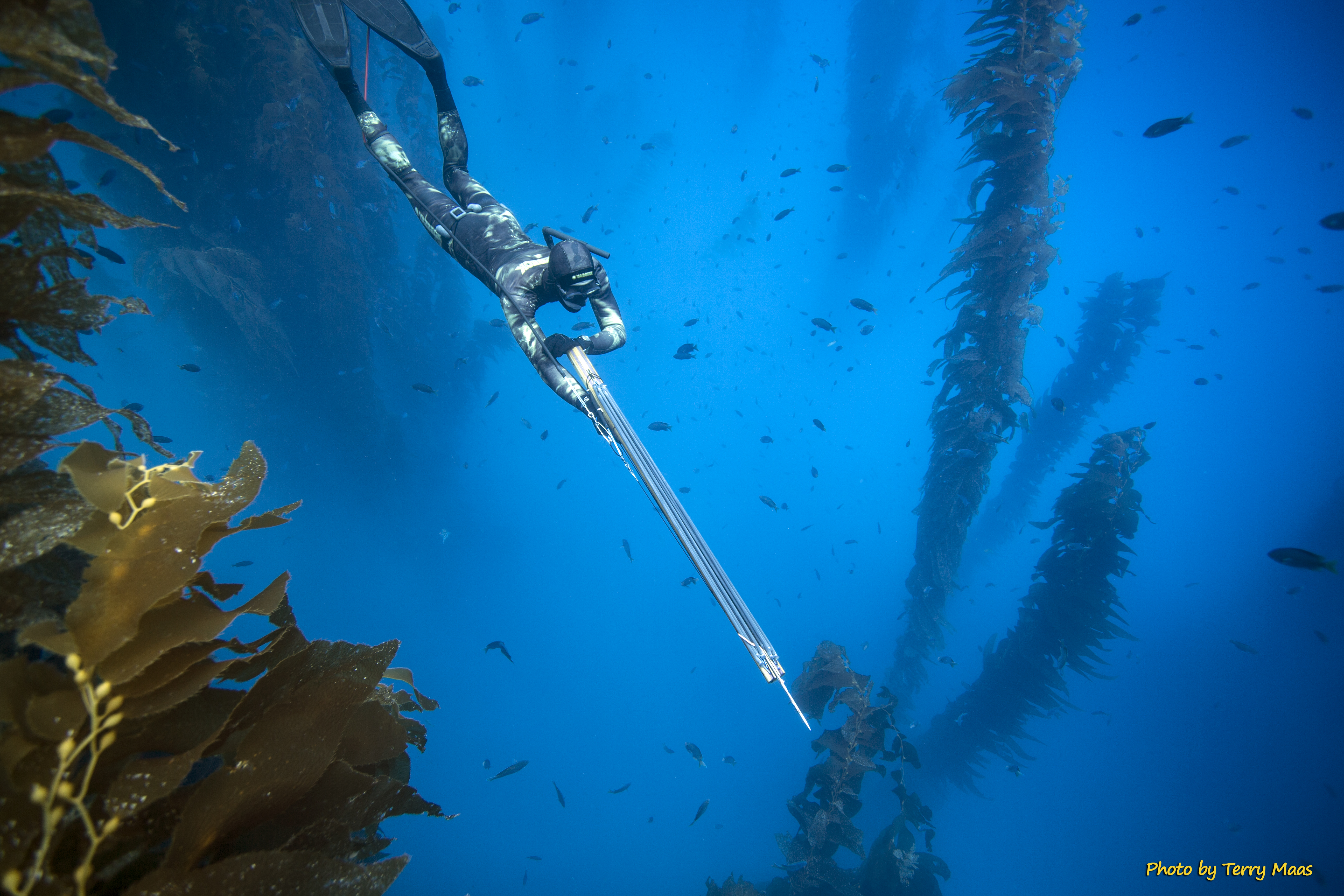
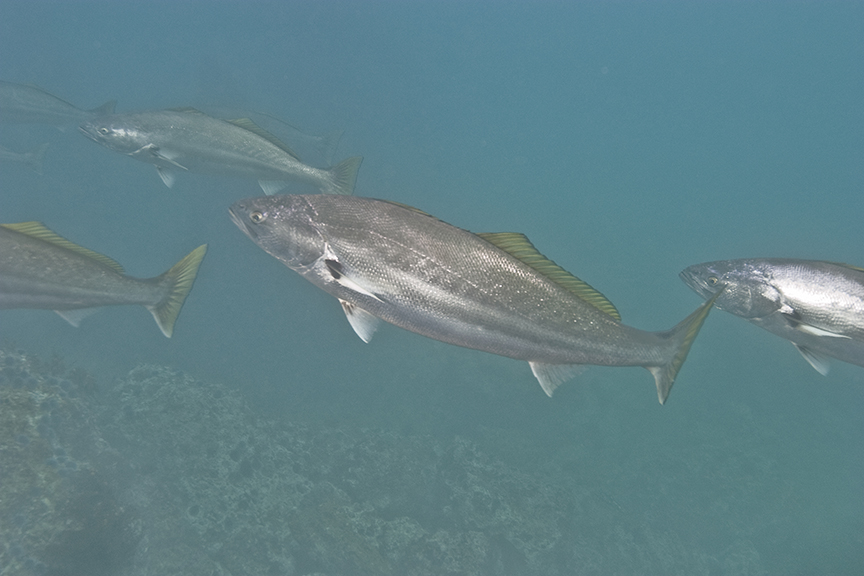
Through patient engagement, Terry and Eric earned the trust of several scientific advisors who came to agree that skilled spearfishers could selectively harvest fish based on species and size, a level of selectivity not available to most line fishermen whose lures can attract any species. This argument helped secure limited opportunities for spearfishers to pursue non-resident pelagic species such as yellowtail and white seabass in several reserves where fishing was otherwise prohibited, including Swamis (Encinitas), Farnsworth Bank (Catalina), and Naples Reef (Santa Barbara).
Founding Leaders & Incorporation
Early leaders of the Watermen's Alliance included Volker Hoehne, Paul Romanowski, Brandi Easter, Iaon Pohlit, Joe Farlo, Josh Russo, Nick Dumong, and Matthew Bond. During the formative years, delegates met at rotating locations along the coast, and local divers were encouraged to attend pre-meetings to share local knowledge and input. These informal gatherings led directly to the formation of the Watermen's Alliance.
In 2016, the organization prepared articles of incorporation with the goal of establishing a community of consumptive divers united by a shared passion for the ocean. The mission of the Watermen's Alliance includes safeguarding the rights of this community while supporting charitable, scientific, and educational objectives, particularly those tied to responsible stewardship of ocean resources. Under the leadership of the late Josh Russo, who served as president, the Watermen's Alliance earned respect and recognition at the state administrative level.
Legacy & Restoration
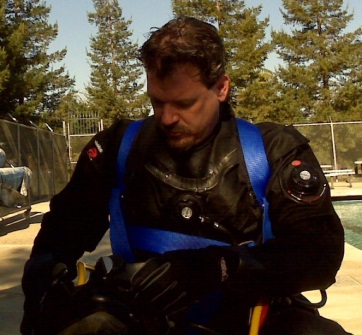
Caspar Cove & Josh Russo's Legacy
Responding to the crash of the North Coast abalone population following the 2014 warm-water "blob," Russo launched the Caspar Cove Project in 2020. In this project, divers removed approximately 80 percent of purple urchins from targeted areas, encouraging kelp regrowth that is essential for abalone survival. Russo also coordinated statewide recreational urchin-removal events at locations such as Ocean Cove and Albion Campground, where volunteers extracted millions of urchins and helped raise approximately $130,000 to hire commercial divers for work at deeper sites.
As a member of the Recreational Abalone Advisory Committee (RAAC), Russo advocated for policy changes to better protect abalone during fishery closures that began in 2018. Among these changes was an increase in purple urchin harvest limits, shifting from a count-based limit of 35 individuals to a volume-based limit of 40 gallons. Russo's advocacy also influenced state funding allocations, including approximately $500,000 dedicated to urchin removal in Mendocino County, which supported broader ecosystem restoration.
Russo passed away in December 2025, but the Caspar Cove Project continues in his honor, with early signs of kelp recovery already observed. These efforts seek to address kelp loss driven by sea star wasting disease and ocean heatwaves, thereby supporting the long-term prospects of abalone populations. Josh Russo exemplified the values of the Watermen's Alliance, and the organization intends to honor his legacy by remaining vigilant to challenges facing spearfishing and by supporting projects that protect and restore the marine environment.
Our Focus
What We Represent
Three areas define how Watermen's Alliance serves California's spearfishing community — and why coordinated advocacy matters.
Access
Watermen's Alliance works to protect existing access to California's coastal waters and responds to proposed restrictions that could eliminate longstanding spearfishing sites. When marine protected area expansions or access designations are proposed, the Alliance ensures the community has a seat at that table.
Advocacy
We engage in the public processes that shape the future of spearfishing — from regulatory hearings to commission proceedings. The Alliance prepares testimony, submits formal public comments, and represents the community with institutional credibility when it matters most.
Community
Watermen's Alliance brings together member clubs, individual watermen, and advocates from across California into a coordinated network. By speaking with one organized voice, the community carries more weight in public processes than any single club could achieve alone.
California Spearfishing
The Ocean We Protect
From the kelp forests of the Central Coast to the bluewater canyons offshore — the California ocean is worth defending.
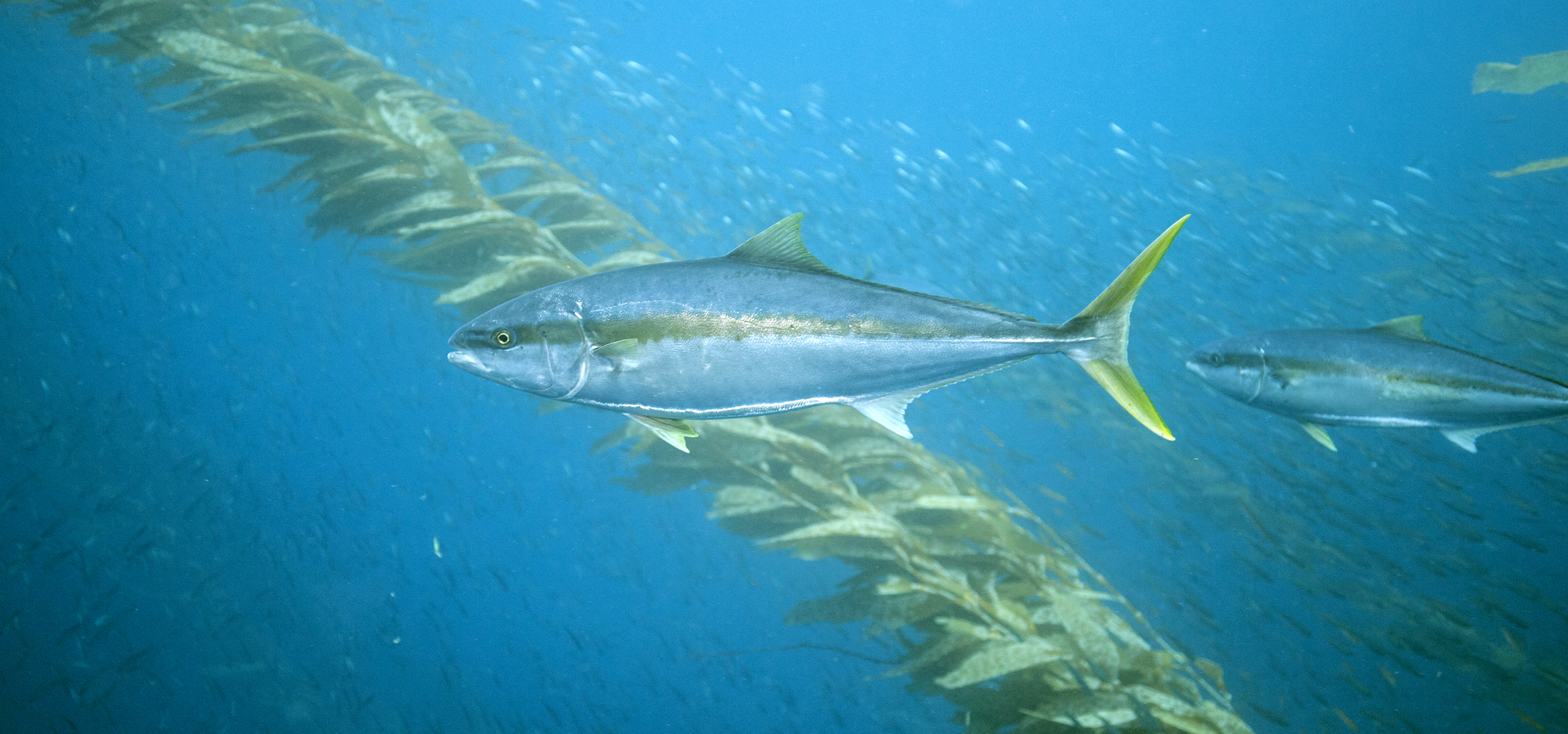 California kelp forest
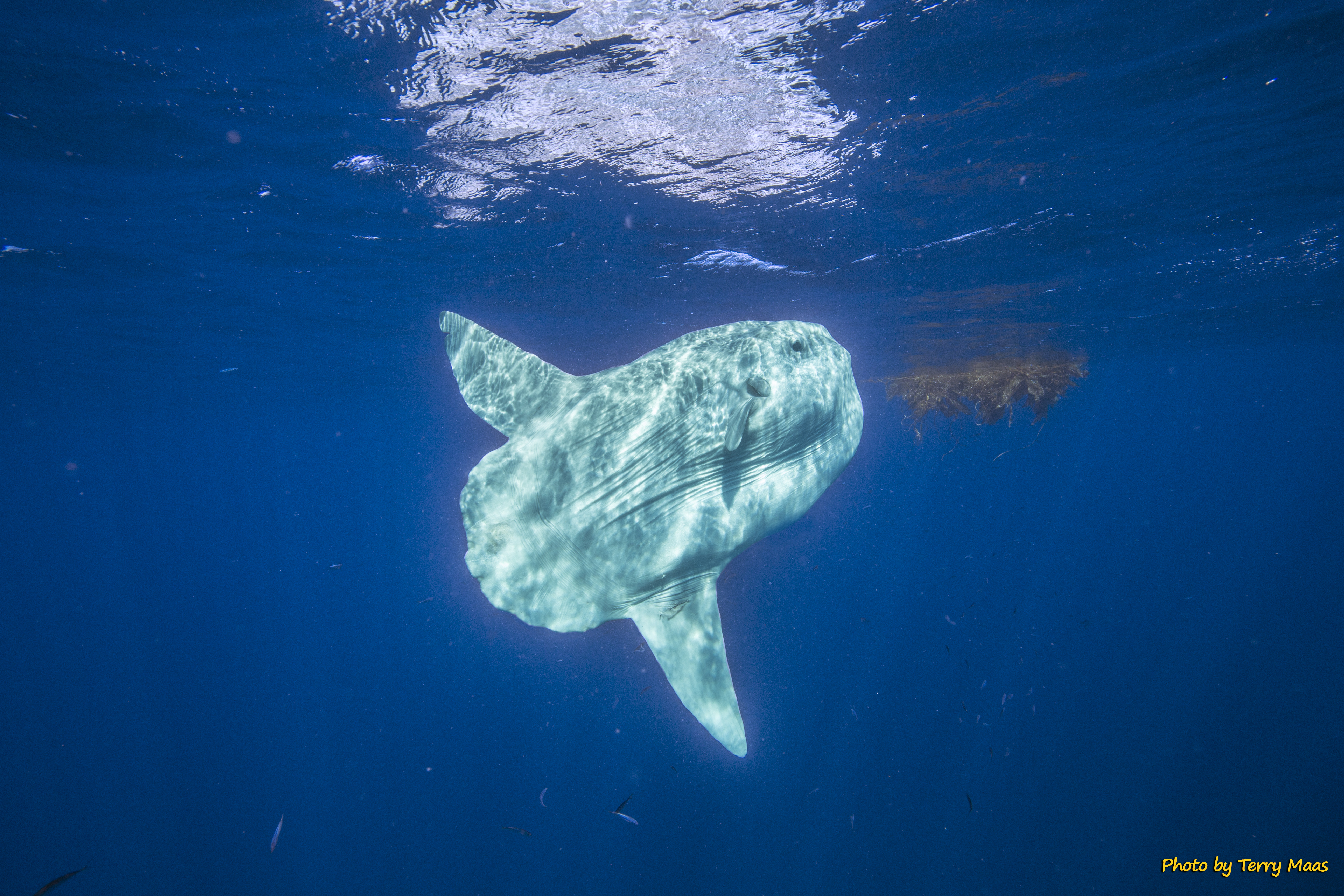 Ocean sunfish — mola mola
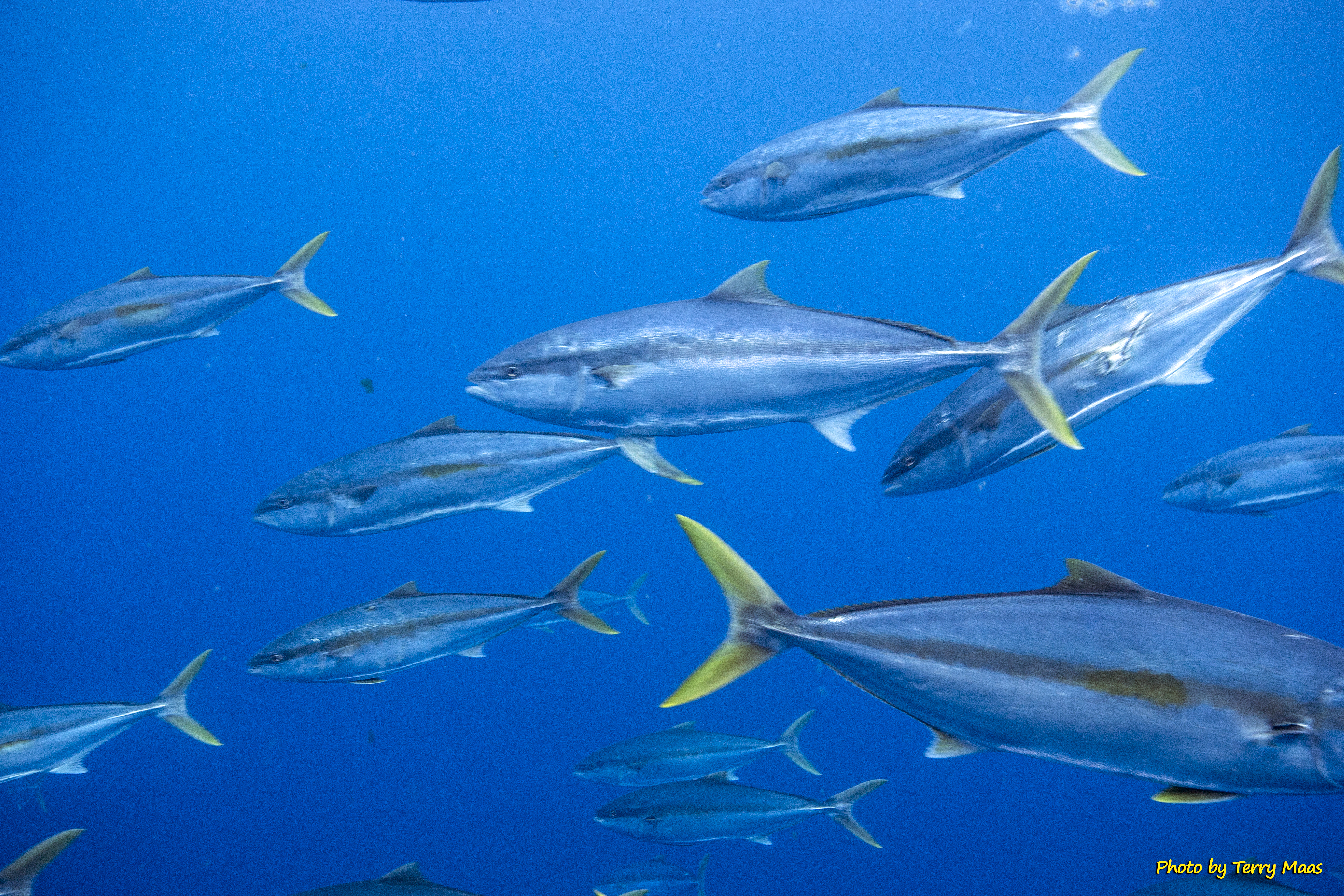 Yellowtail school
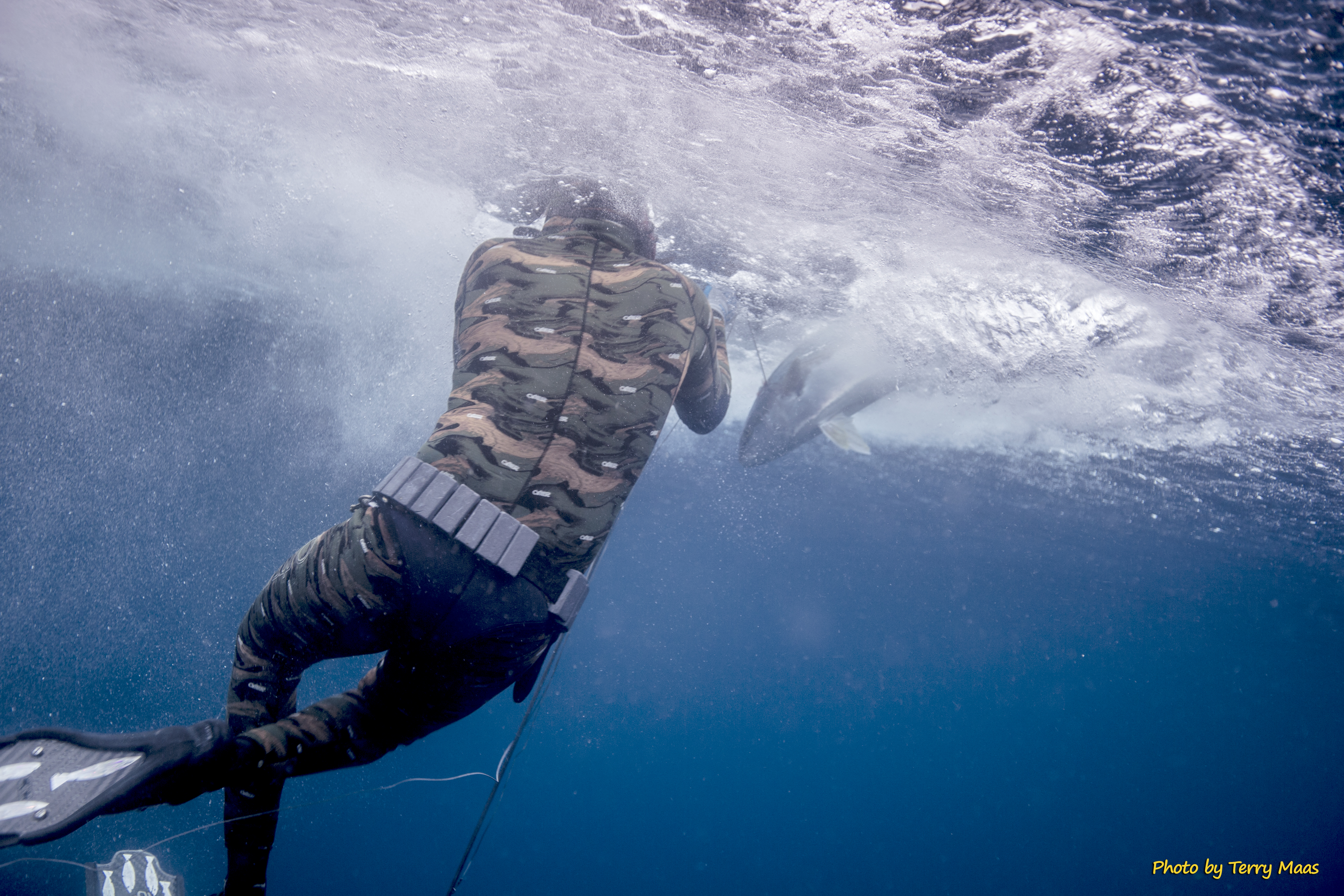 Bluewater spearfishing
 Dorado school, Pacific
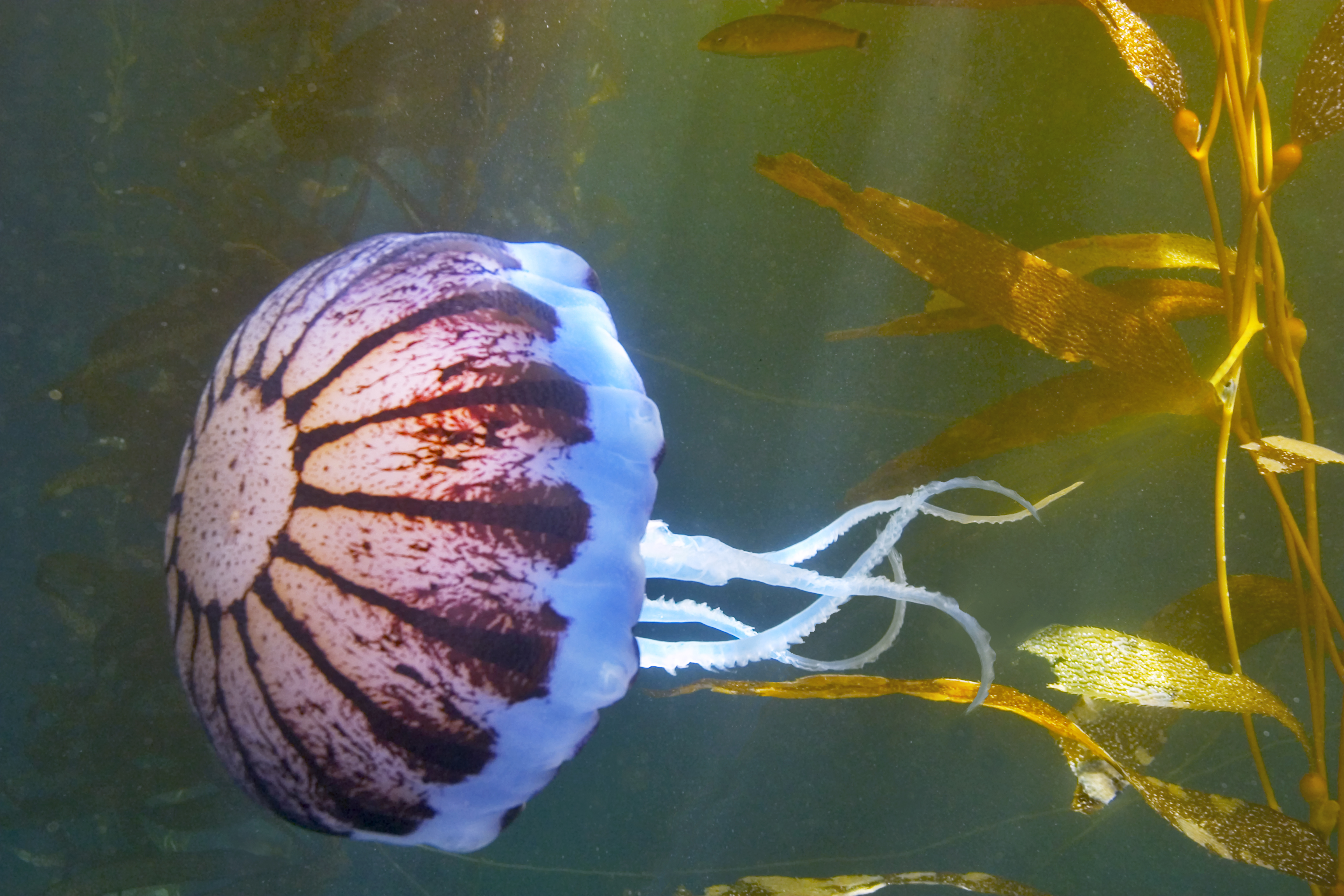 Kelp forest ecosystem
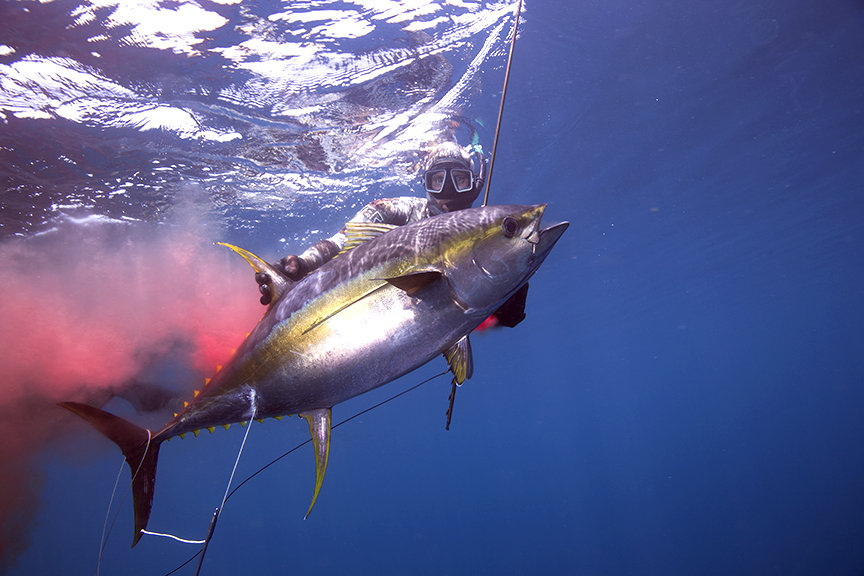 California freediver
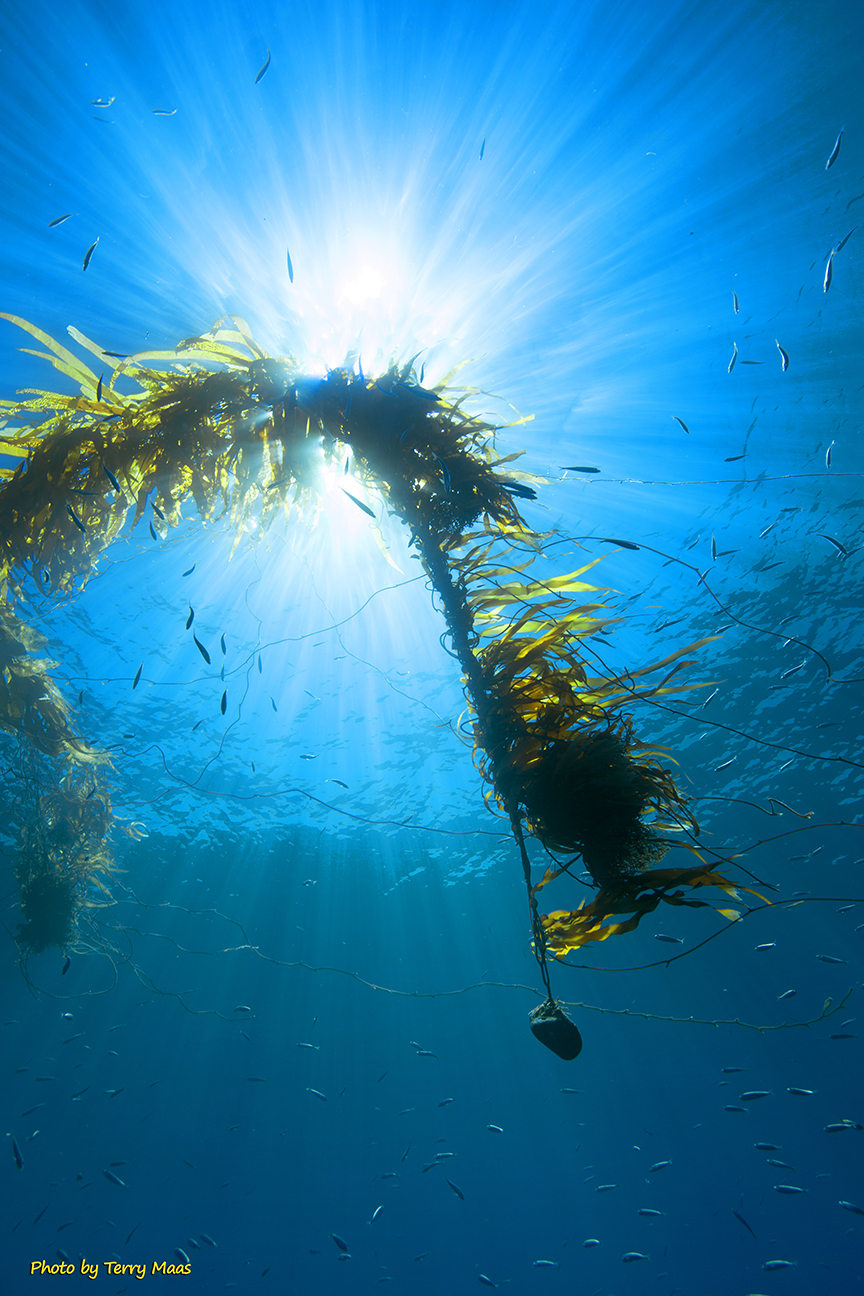 Open-water kelp paddy
Explore Further
What's Next
Learn what we stand for, who we work with, and how to get involved.
Our Mission
Understand what drives our advocacy work — how we engage in regulatory processes, why community representation matters, and what we believe about the future of spearfishing in California.
Explore Our Mission Our NetworkMember Clubs
Meet the California spearfishing clubs that make up the Alliance's statewide network — each bringing its own community, leadership, and regional perspective to our collective advocacy.
View Member Clubs LeadershipClub Officers
Meet the leaders who guide Watermen's Alliance — the officers and representatives who carry the California spearfishing community's voice into public and regulatory processes.
View Club OfficersProtecting California's Spearfishing Future
Learn about our mission, explore current advocacy topics, or get in touch with the Alliance directly.